

Sealing a Garage Door Against Rodents: A Weekend Project
December 9, 2025 · 3 min read · by Nathan Cook
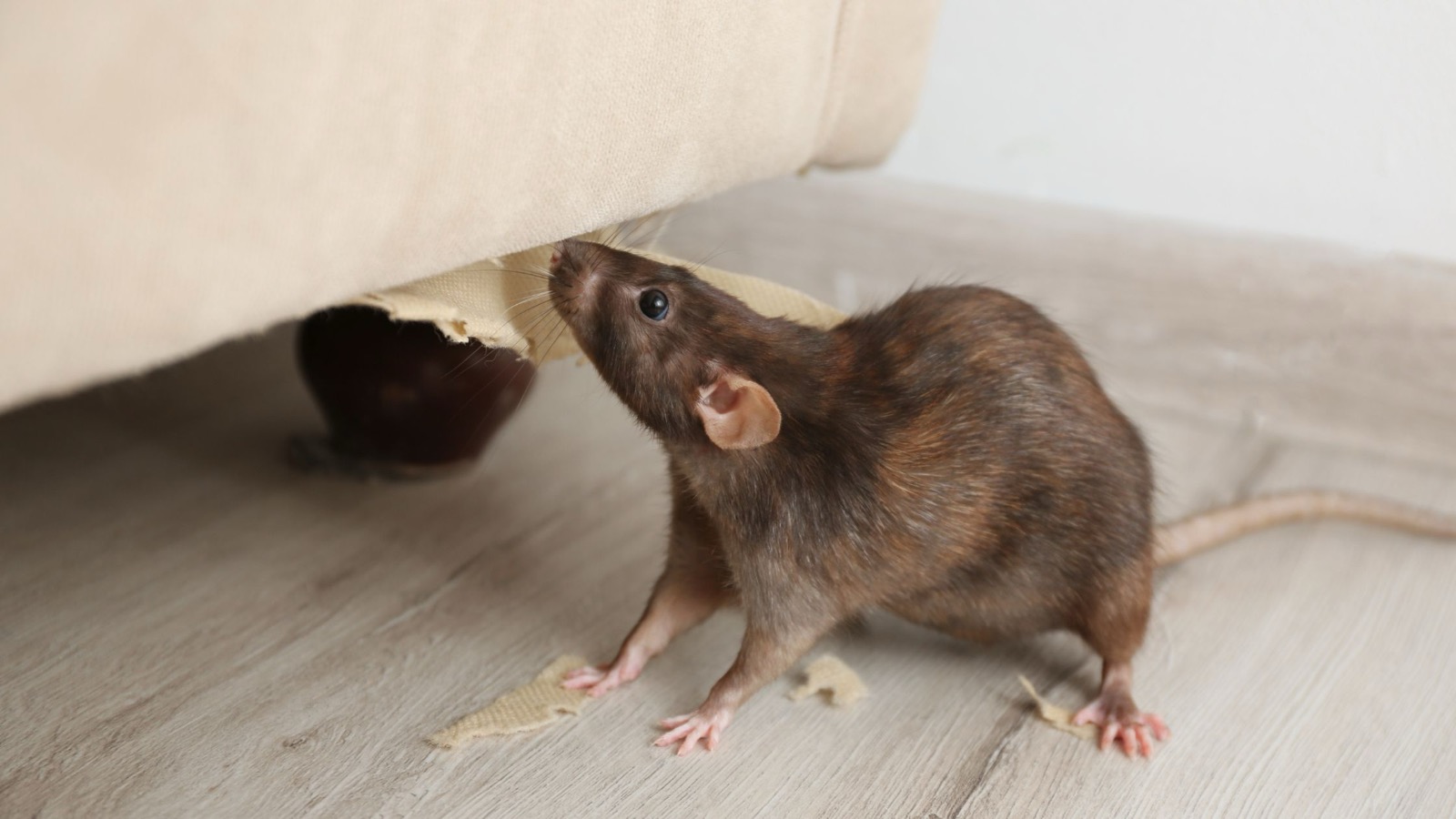
A garage is the most common first entry point for rodents in Riverside County, and it's usually not through the big door, it's through the small gaps around it.
The three gaps
- The bottom seal: if you can see daylight under the closed door, a mouse can use it. Replace the seal rather than stacking weatherstripping.
- The corners: the frame-to-wall joint at each bottom corner is often open behind the trim. Fill with copper mesh and sealant, not expanding foam alone.
- The service door and its threshold: a sweep plus a metal kick plate closes the gap that a door sweep alone leaves at the hinge side.
Why metal matters
Rats and mice chew through foam, plastic mesh and wood filler. Steel wool rusts and gets pulled out. Copper or galvanized steel mesh packed into the gap and sealed is the version that still works two years later. If the roofline also has openings, those need the same treatment, a sealed garage door with an open fascia gap just changes the route.
Related service
Rodent Control
Trapping clears what's inside. Exclusion is what stops the next rat from using the same hole, and that's the part most companies skip.
Related area
Eastvale pest control
New construction doesn't mean pest-free. Slab cracks, irrigation and open fields next door bring ants, crickets and roof rats to brand-new houses.
Related pages
Want it handled instead of explained?
Free inspection, no obligation. If pests return between visits, we re-treat at no charge.
Call (951) 749-5684